
Rugby, Warwick & Market Harborough
Kitchen Door Furniture
Handles and finishing details that change the feel of a kitchen.
Where good design begins
Handles and finishing details that change the feel of a kitchen.
When it comes to door furniture, we consider the cabinetry, colour, worktops, appliances, metal finishes and how the kitchen will be used day to day to help our clients make their decision.
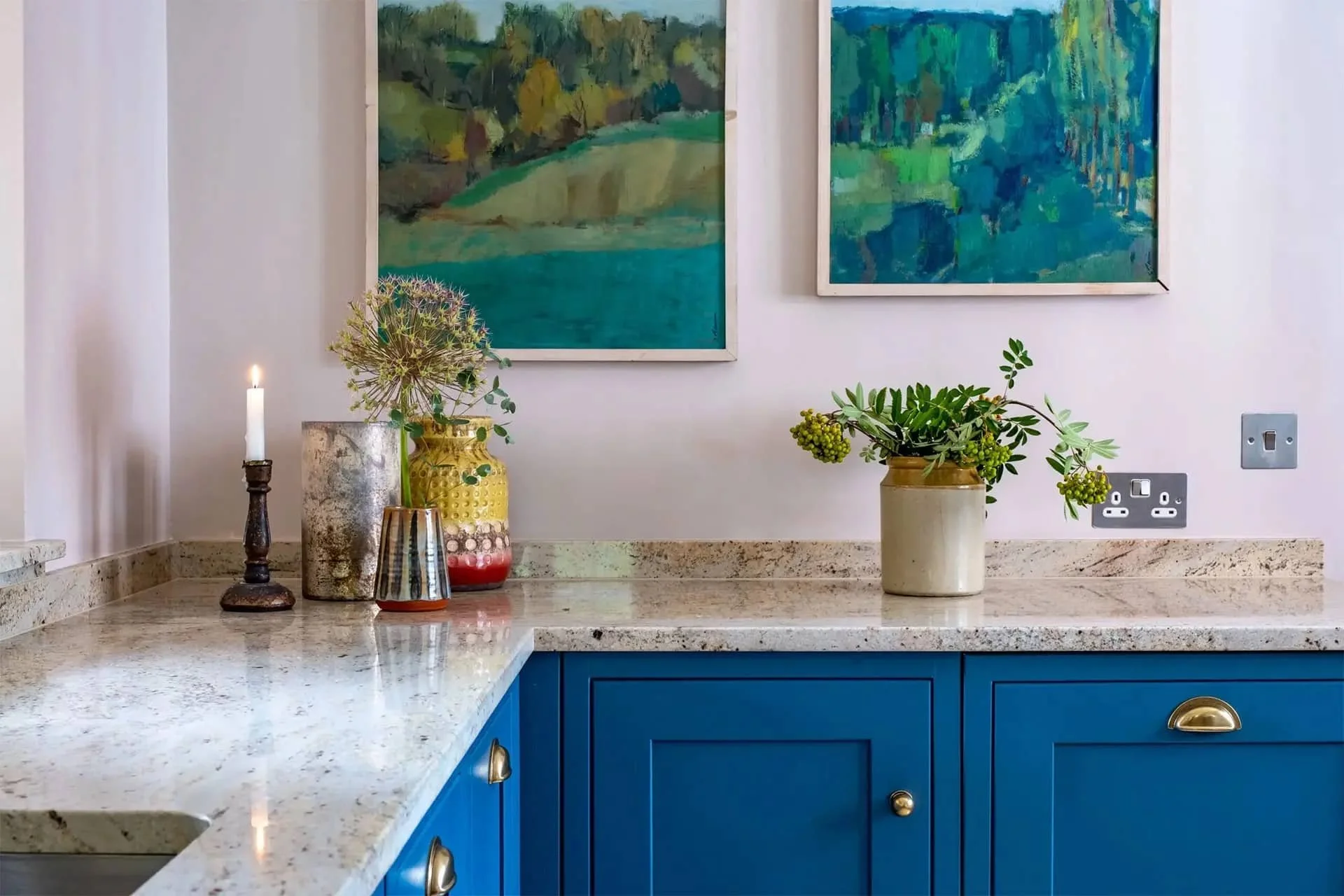
After all, a cup pull, knob or bar handle all bring a different tone. A shaker kitchen can feel classic, relaxed or more contemporary depending on the handle. A slab door can look minimal or more furniture-like.
Choosing the right Door Furniture
The right door furniture depends on the kitchen style, the finish of the cabinetry, the look & feel, and the usage.
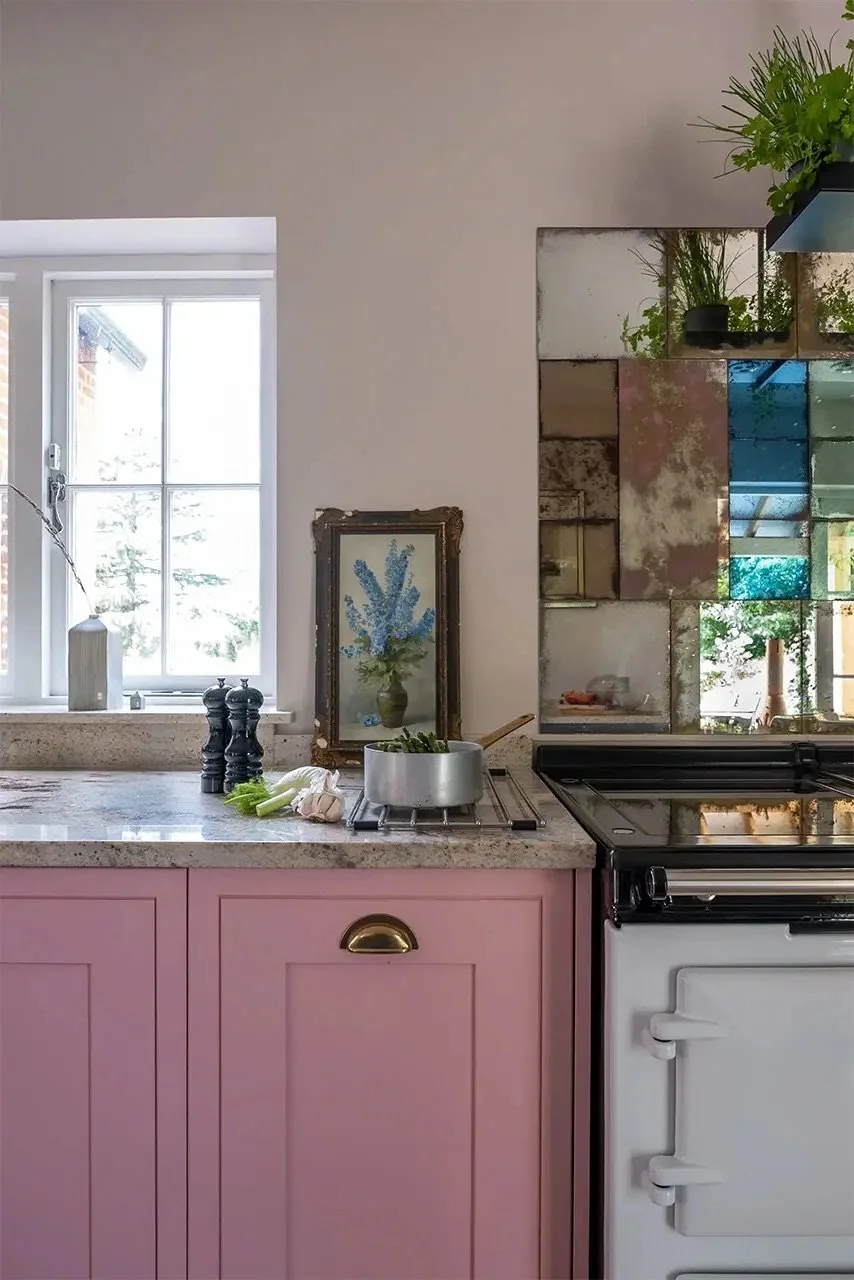
Some clients want the warmth of antique brass cup pulls on a painted shaker kitchen. Others want the cleanest possible line with no visible hardware at all. Some want a handle that disappears into the design. Others want something that makes a quiet statement every time they open a drawer.
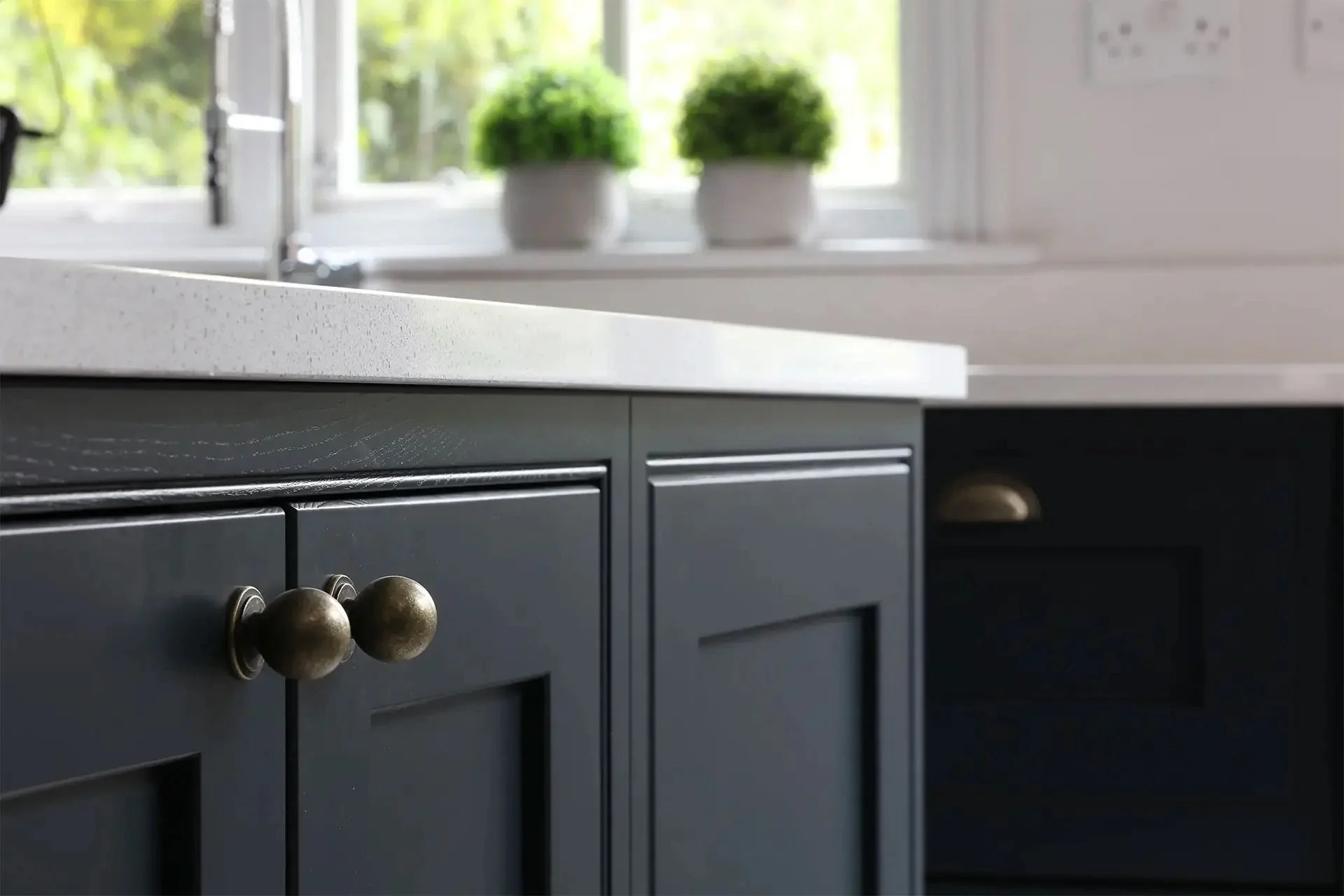
Knobs
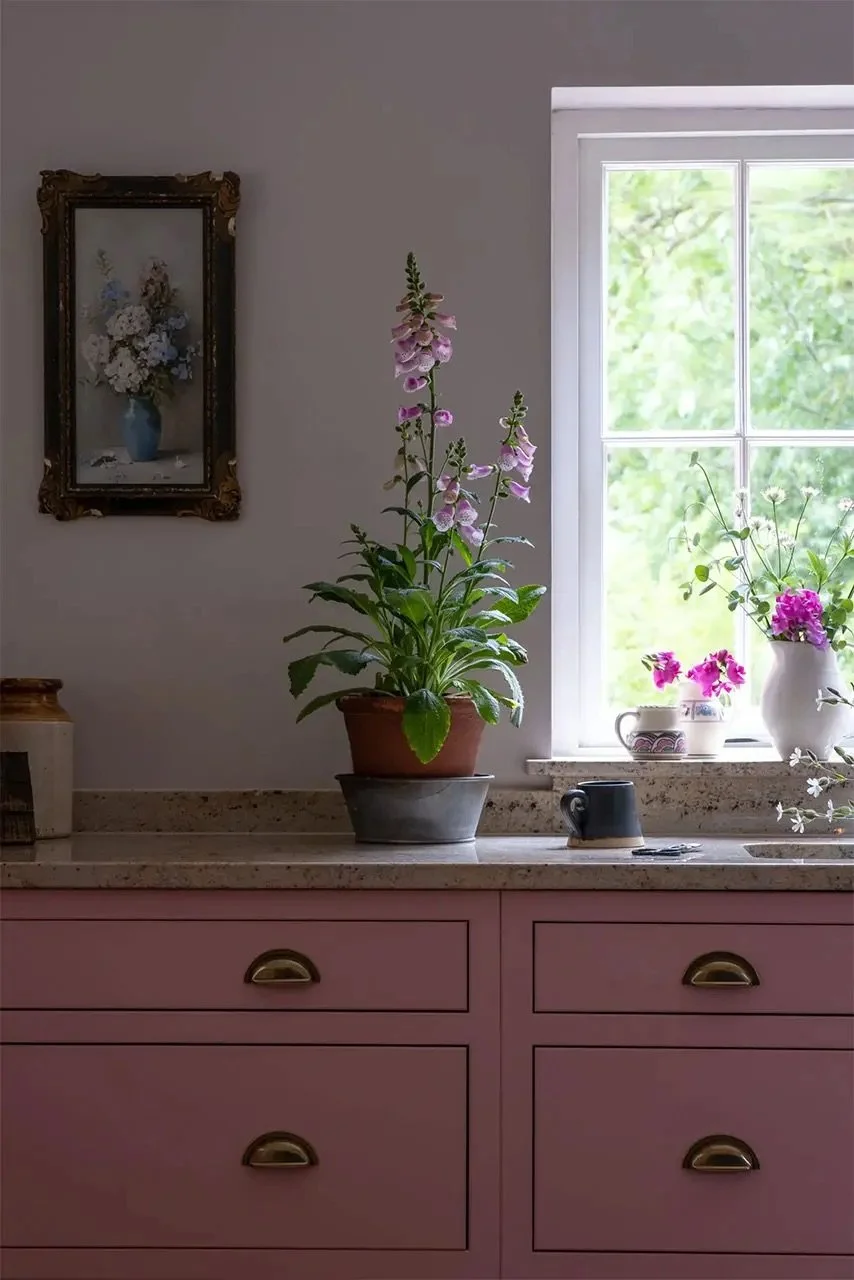
Cup pulls
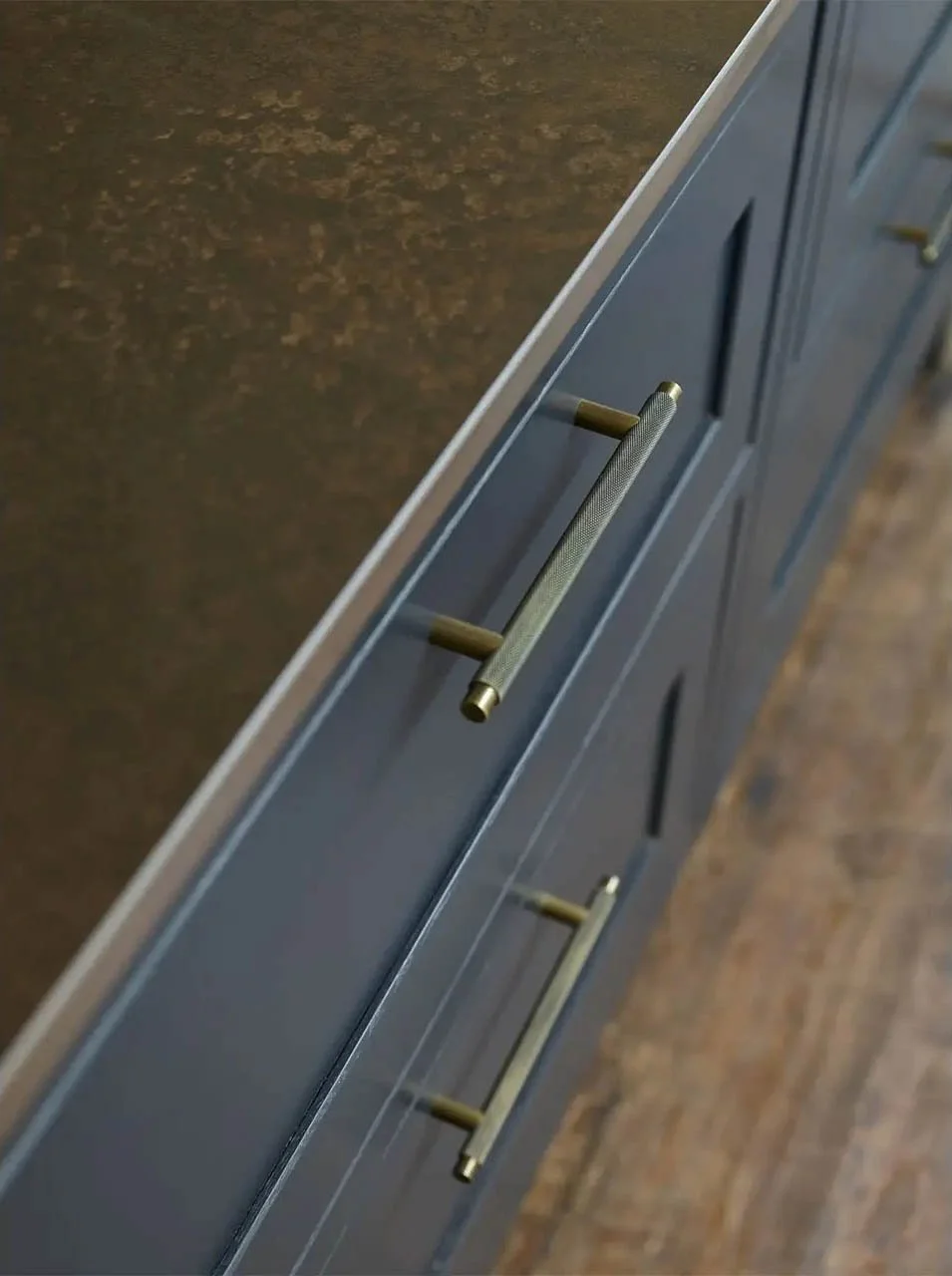
Bar handles

Slim and linear handles
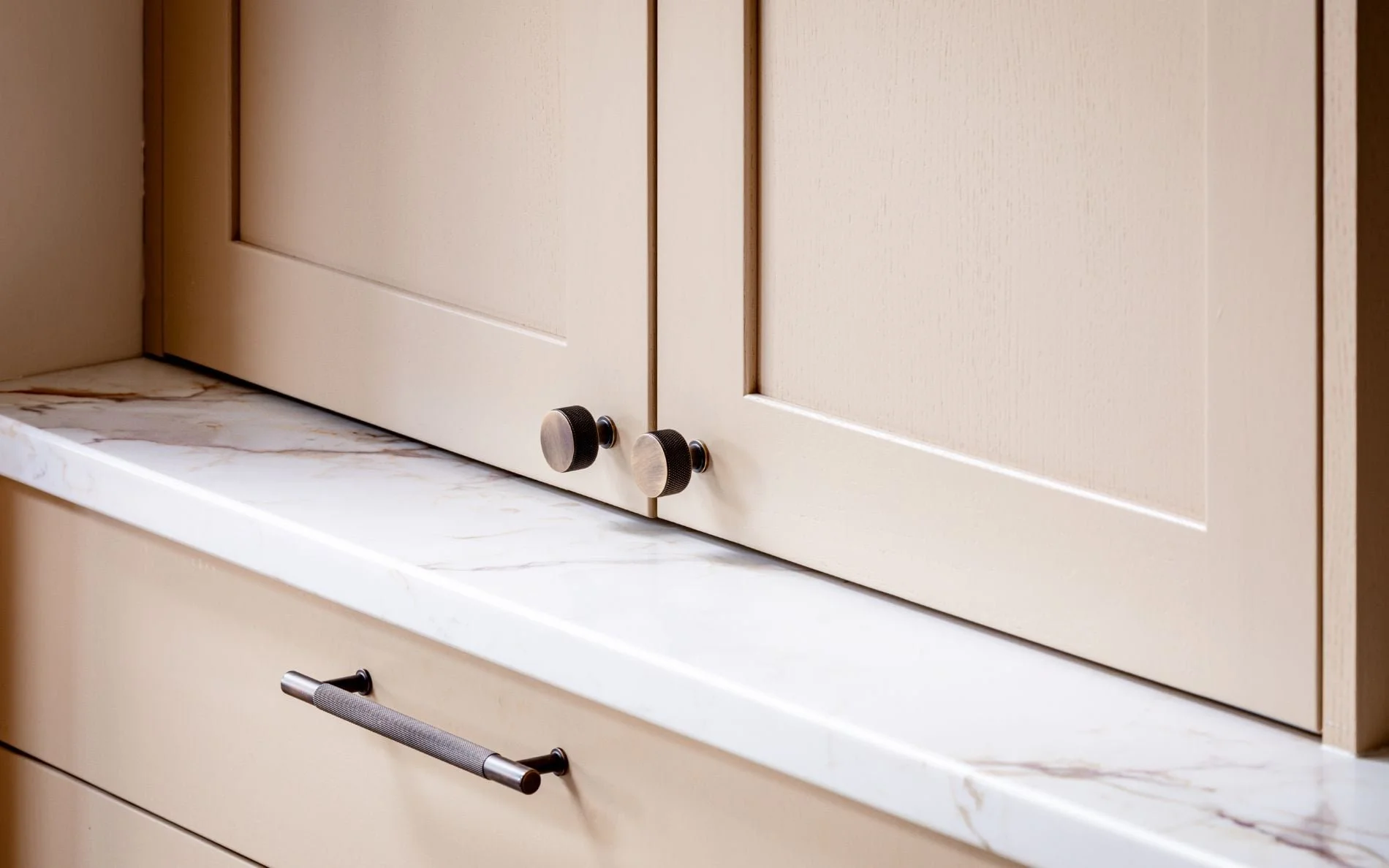
Finish and metal tone

Handleless



Our projects
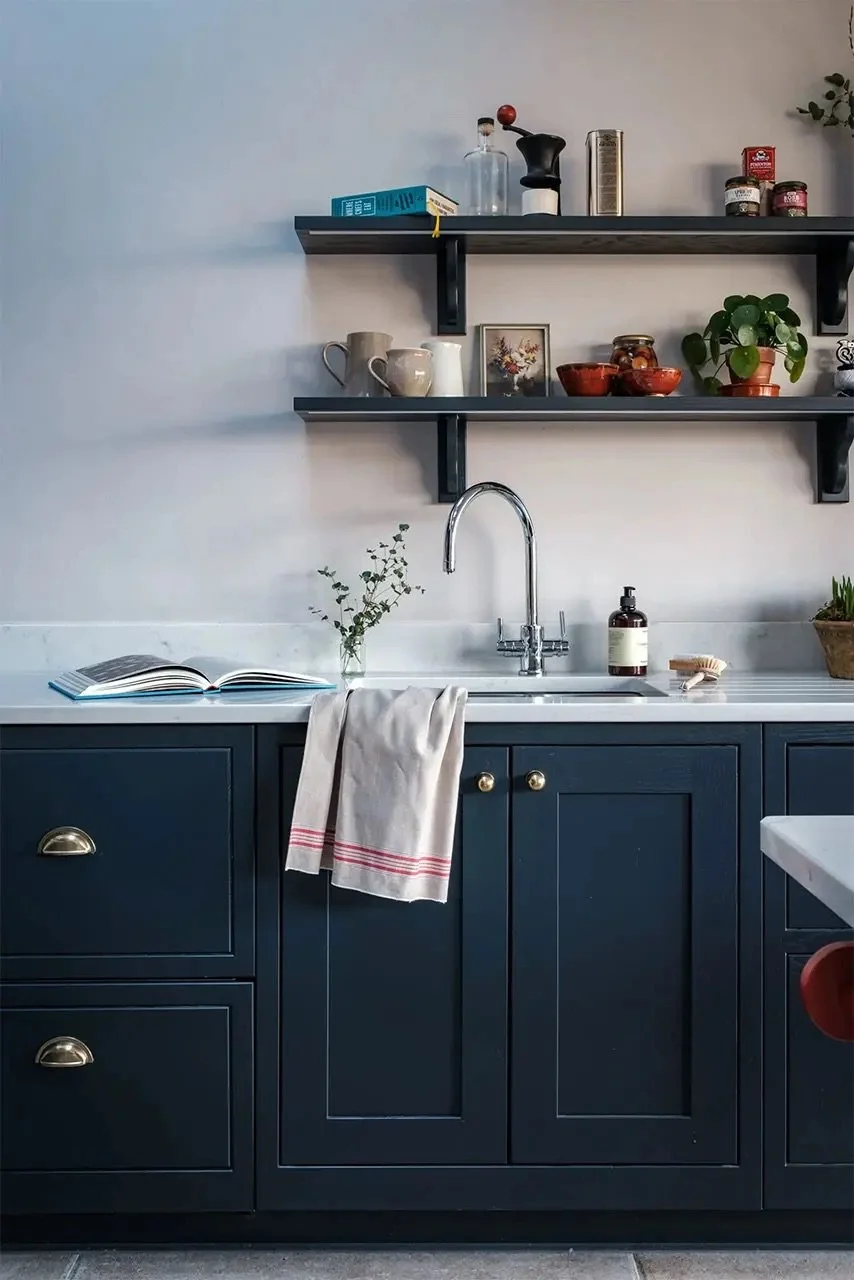
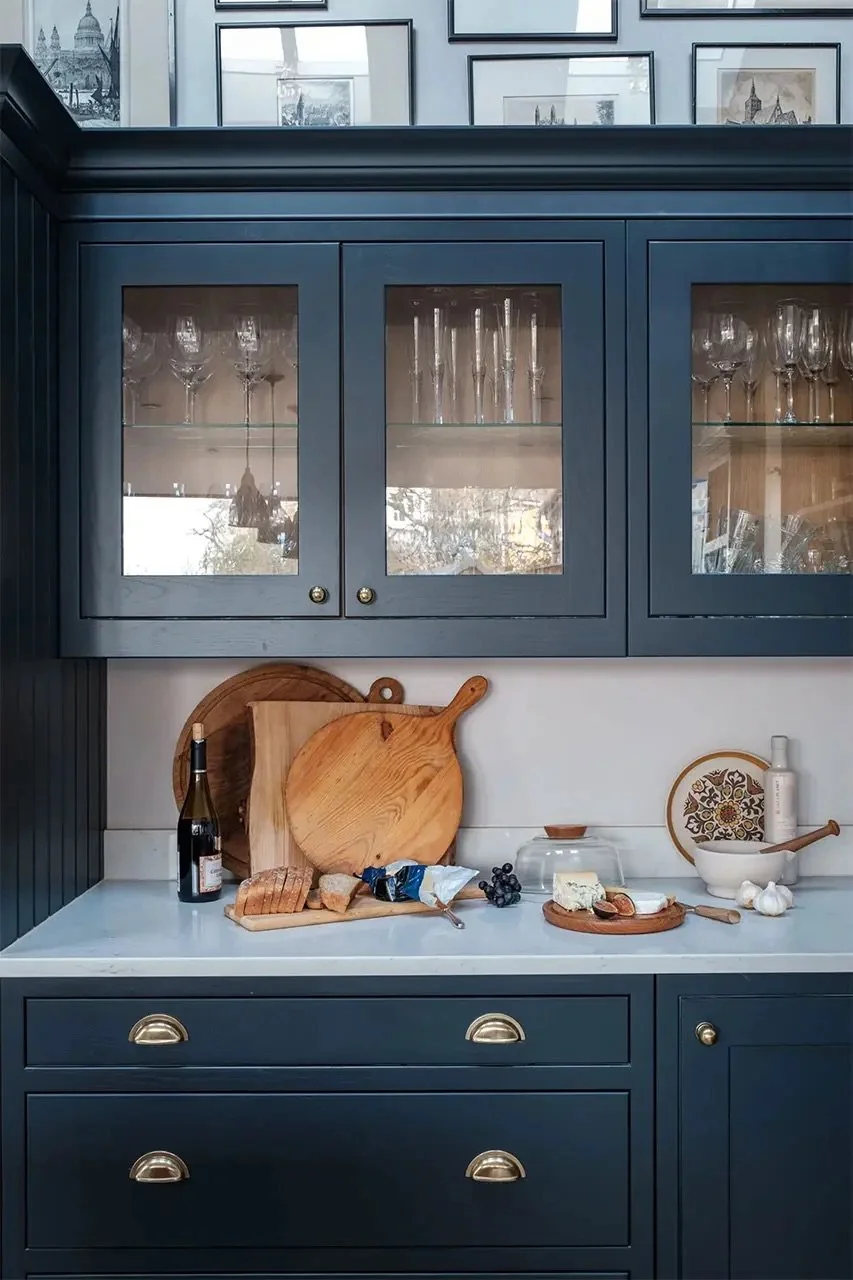
Door furniture in completed RFK kitchens.
Our project pages show how handles, knobs and rails work across different kitchen styles. This selection shows a broad range of door furniture contexts, from in-frame classic kitchens and shaker designs to contemporary slab doors.
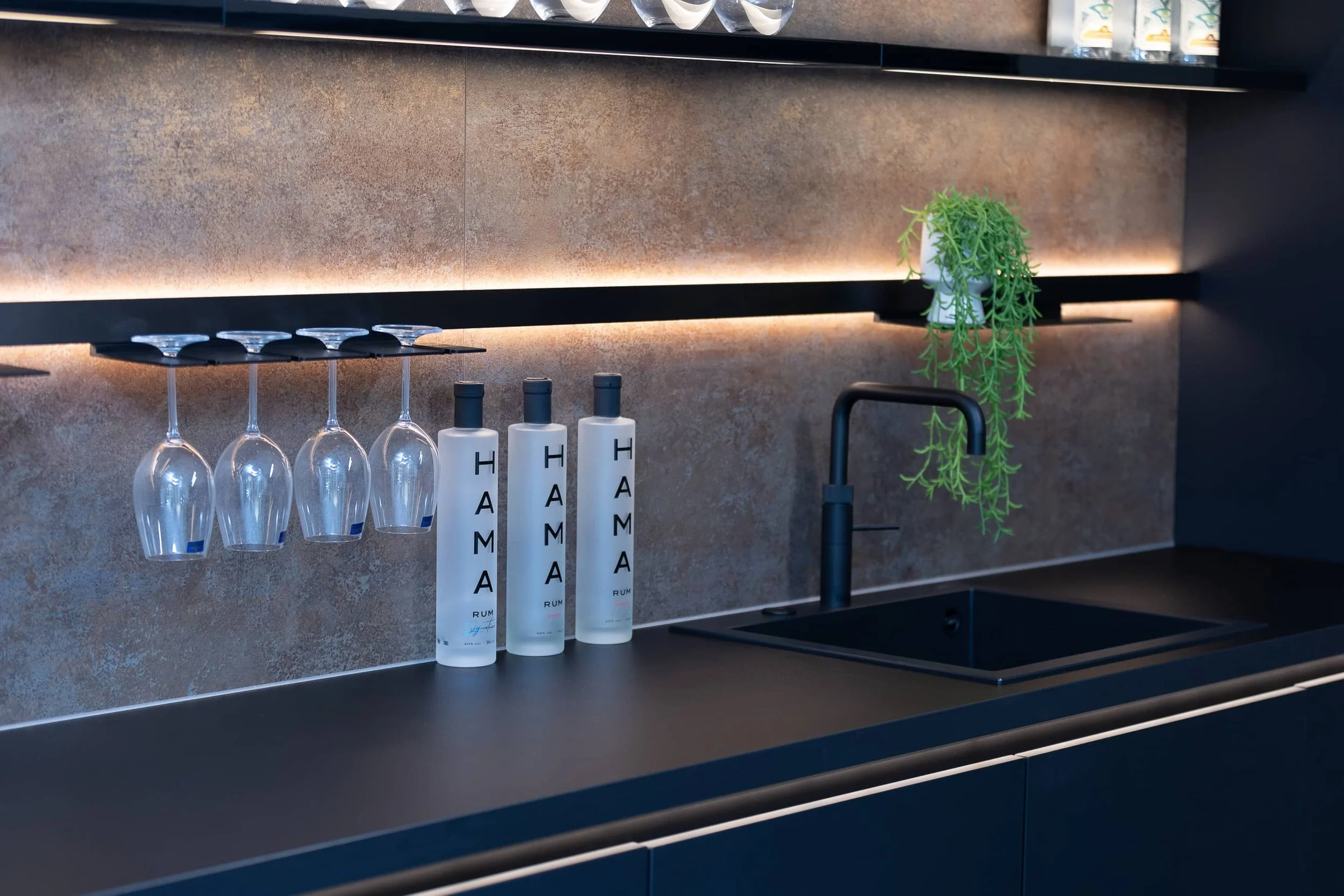
A small detail with a big influence.
Door furniture needs to look right and feel good to use. Shape, weight, projection and position all matter. A handle that looks beautiful but catches clothing, feels awkward to grip or doesn’t suit the door style will quickly become frustrating.
At RFK, handles and finishing details are considered as part of the whole kitchen. We look at the style of the cabinetry, the way the room should feel and the practical needs of the household. In some kitchens, the right answer is a traditional knob or cup pull. In others, a slim bar handle, recessed rail or almost invisible detail works better.
Related Kitchen Elements
Related Appliances & Accessories
Door furniture works best when it is considered alongside the surrounding kitchen decisions. Worksurfaces, cabinetry, taps and appliances all influence how the right finish and form will look and feel in the finished room.
Ovens, hobs, extractors and more, chosen for how well they integrate with the cabinetry and work in everyday use.
Drawers, pull-outs, larder units and internal fittings planned around how the kitchen is actually used.
Undermount, inset and Belfast sinks alongside boiling-water and filtered taps, considered as part of the wider layout.
Quartz, stone, ceramic and laminate options, each with different visual qualities and maintenance considerations.
The right floor anchors the whole room. Material, tone and finish all considered in relation to the cabinetry and worksurfaces.
Experience RFK Kitchens
Want help choosing the right finishing details?
The first step is a consultation with one of our design professionals. We’ll talk through the kitchen style, the cabinetry, the finishes you are drawn to and the details that will bring the design together.
From there, we can help you choose door furniture that feels right in the room and comfortable in daily use.
Have a question about kitchen door furniture?
-
Because the cabinetry is drilled to suit the handle chosen. Once doors and drawer fronts are manufactured, the drilling pattern is fixed. Changing to a handle with a different fixing distance or position can mean redrilling or replacing the door.
It doesn’t need to be the first decision, but it should be resolved before the manufacturing process begins.
-
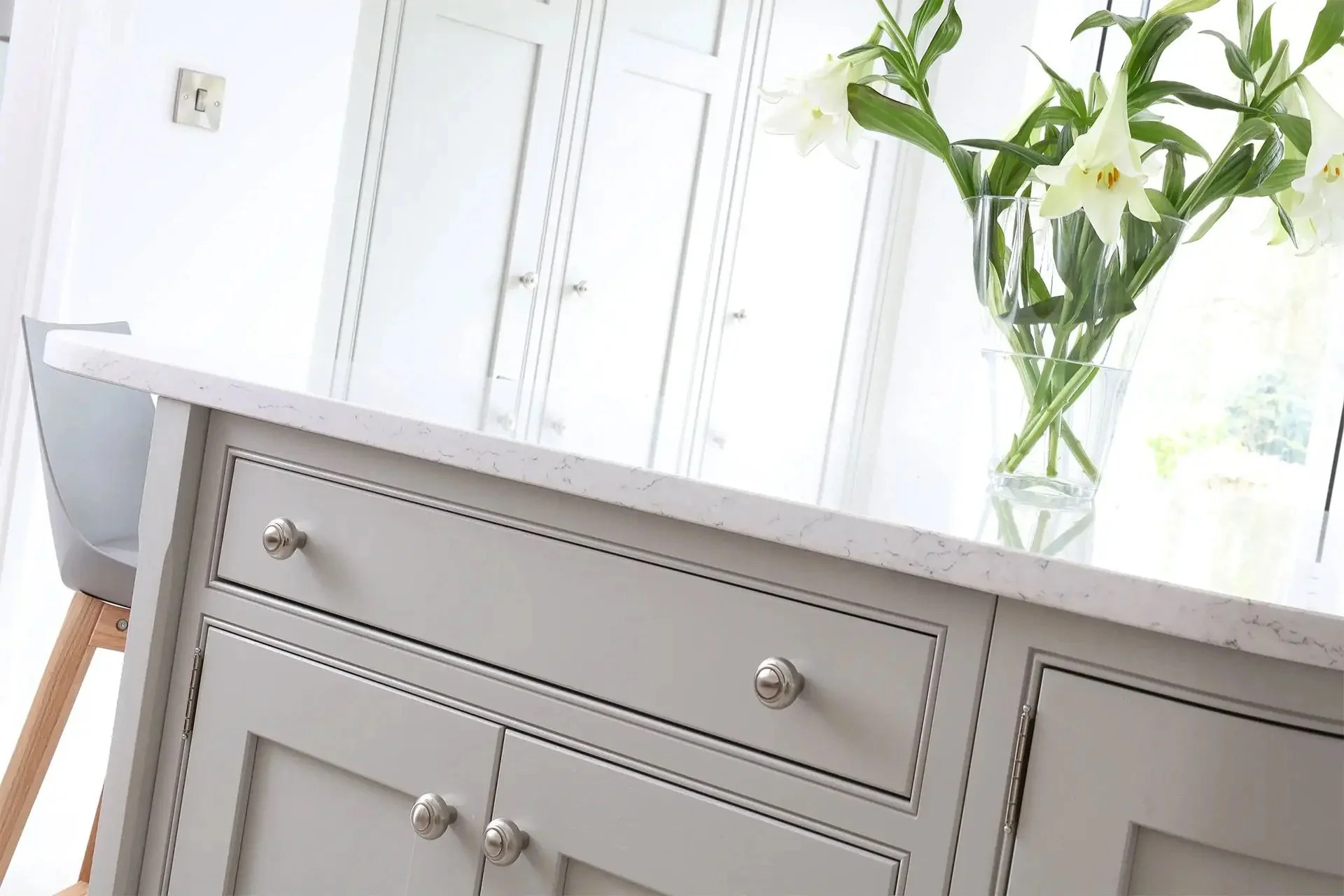
Shaker kitchens are very flexible. A knob can feel simple and classic. A cup pull can make the design feel more traditional. A slim bar handle can make the same door feel cleaner and more contemporary.
The best choice depends on the style you want the kitchen to have, not just the door itself.
-
Yes, where it suits the design. Many classic kitchens use knobs on doors and cup pulls on drawers, which creates a more traditional, balanced look.
In more contemporary kitchens, using one handle style throughout can feel more polished. We will help you decide what suits the cabinetry and the room.
-
All three remove visible door furniture, but they work differently.
True handleless uses a recessed aluminium rail behind the door, creating a continuous horizontal grip line. It's the approach most closely associated with high-specification contemporary kitchens.
J-pull builds the grip into the door itself, along the top or bottom edge, giving a similar look at a different price point and without the need for a separate rail profile.
Push-to-open removes any grip entirely. It uses a spring mechanism that releases the door with a light press. It gives the cleanest visual result, but it isn't always the most practical choice for heavier drawers, tall doors or appliances.
The right mechanism will depend on the layout, the cabinetry manufacturer and the specification of the kitchen. We'll talk through the options in the context of your design.
-
The finish should be considered alongside the rest of the kitchen. Taps, appliances, lighting and other visible metalwork all contribute to the overall tone.
Brushed brass can bring warmth. Chrome or stainless steel can feel cleaner and more neutral. Black can add contrast. Bronze and antique finishes can soften a classic design. The aim is for the finish to feel deliberate, and for the metalwork across the kitchen to feel broadly consistent, even if it is not identical.
-
Mixed metals are not always a problem. Appliances often come in stainless steel regardless of the handle finish chosen, and lighting might introduce another tone.
The key is to decide which finish leads. Usually, that is the tap or the handle, because those are the most visible and deliberate choices. The other finishes can then sit as supporting tones. Where a mix feels unresolved, it is usually because no finish has been chosen as the lead. We look at the whole palette before making a recommendation.
-
Yes. Projection, grip, size and position all affect daily use. Some handles look good but feel awkward, especially on heavy drawers, integrated appliances or tall doors.
We consider how the handle feels in the hand as well as the aesthetic.
-
Generally yes, with some caveats. If the new handle uses the same drilling pattern and fixing centres as the original, it is usually a straightforward swap.
If the new handle has a different fixing position or hole centres, we’d strongly advise against it and would direct you towards a more suitable alternative instead. This is why it’s important to finalise your choice before the kitchen goes to manufacture.
-
It helps to think about the overall style you prefer: classic, minimal, warm, traditional, modern or more furniture-like.
It is also worth thinking about how you use the kitchen. If grip, ease of cleaning or durability are important, that will influence the right choice. Samples in the showroom will help you see and feel the difference between finishes, shapes and weights.
Browse our ranges
Not ready to arrange a consultation yet?
Our brochure brings together our full kitchen offer, including styles, supplier ranges and finishing choices. It is a useful starting point while your ideas are still taking shape.
